FLOORBRUSHESChangzhong Brush
Open menu

Brush slip traced to a worn drive flange, not a worn brush

FlangeDiagnosticsContract cleaning
Brush slip traced to a worn drive flange, not a worn brush
Customer type
A contract cleaning company maintaining a mixed fleet of walk-behind and ride-on scrubbers across retail and office sites.
Customization demand
One ride-on scrubber cleaned poorly on tiled floors while every other machine in the fleet was fine. New brushes were fitted twice with no improvement, and the brush was suspected of being the wrong specification. The machine spun normally with the deck raised, so the drive was assumed to be healthy.

Solution

1

Load test rather than free-spin test

The brush was checked with the deck lowered onto a wet floor. Under load the brush stalled while the motor kept turning — the classic signature of a slipping flange, which a free-spin inspection will never reveal.

2

Flange inspection

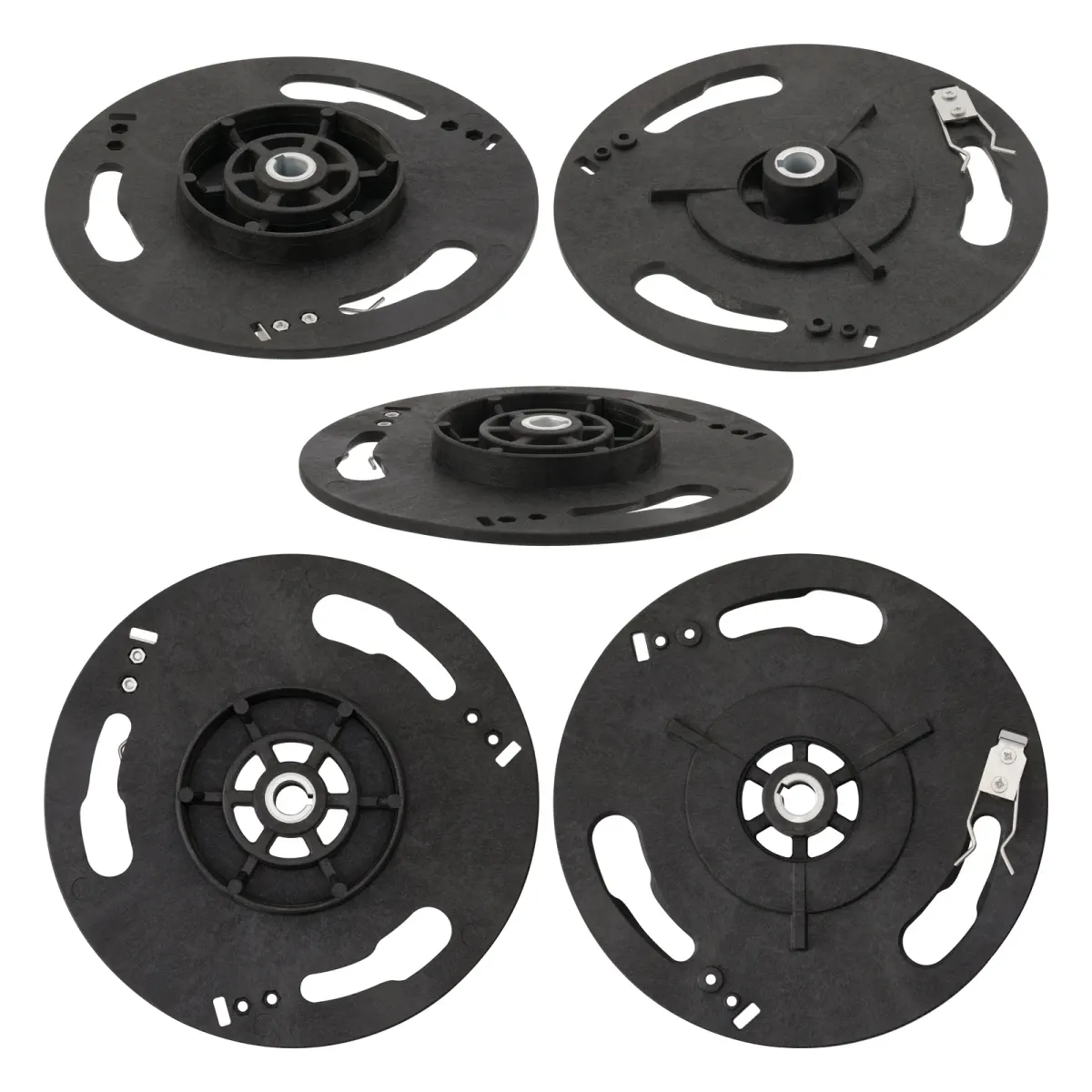
With the brush removed, the centre bore was visibly rounded and the keyway had worn to roughly twice its original width. The nylon flange had been in service long enough to deform, and the brush was moving on the shaft rather than with it.

3

Replacement specification

Fitted a steel flange rather than repeating the nylon part. On a ride-on deck the torque load is high enough that a glass-filled nylon flange becomes a consumable; steel moves the wear point back to the brush, where it belongs.

“We had written off two brushes before anyone looked at the flange. Now it is the first thing our engineers check when a machine cleans badly but still runs.”
— Maintenance manager, contract cleaning company

More cases

Start a similar project

Send the machine model, the failure mode and your target service life — we propose material and design changes with samples.

Request a quote